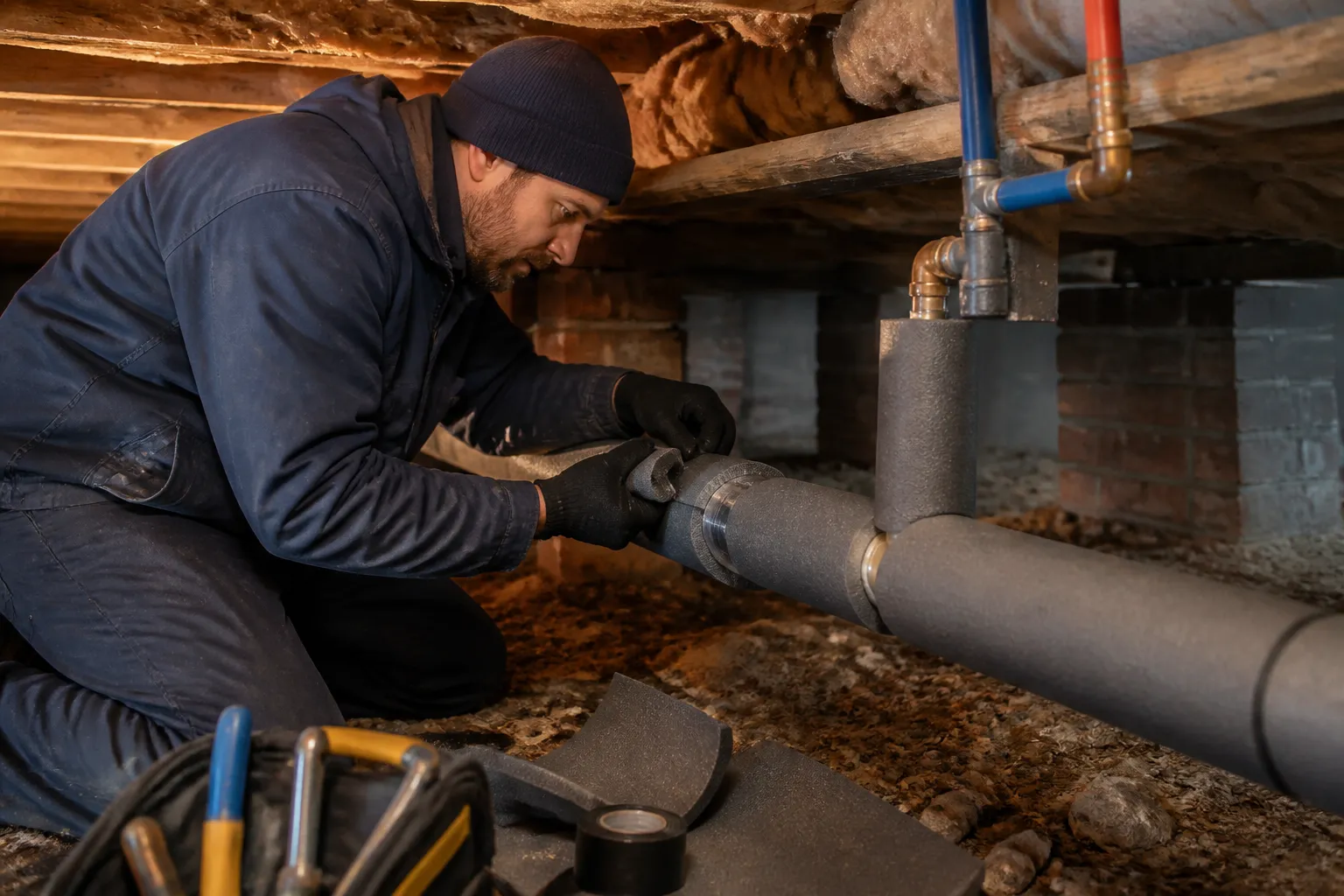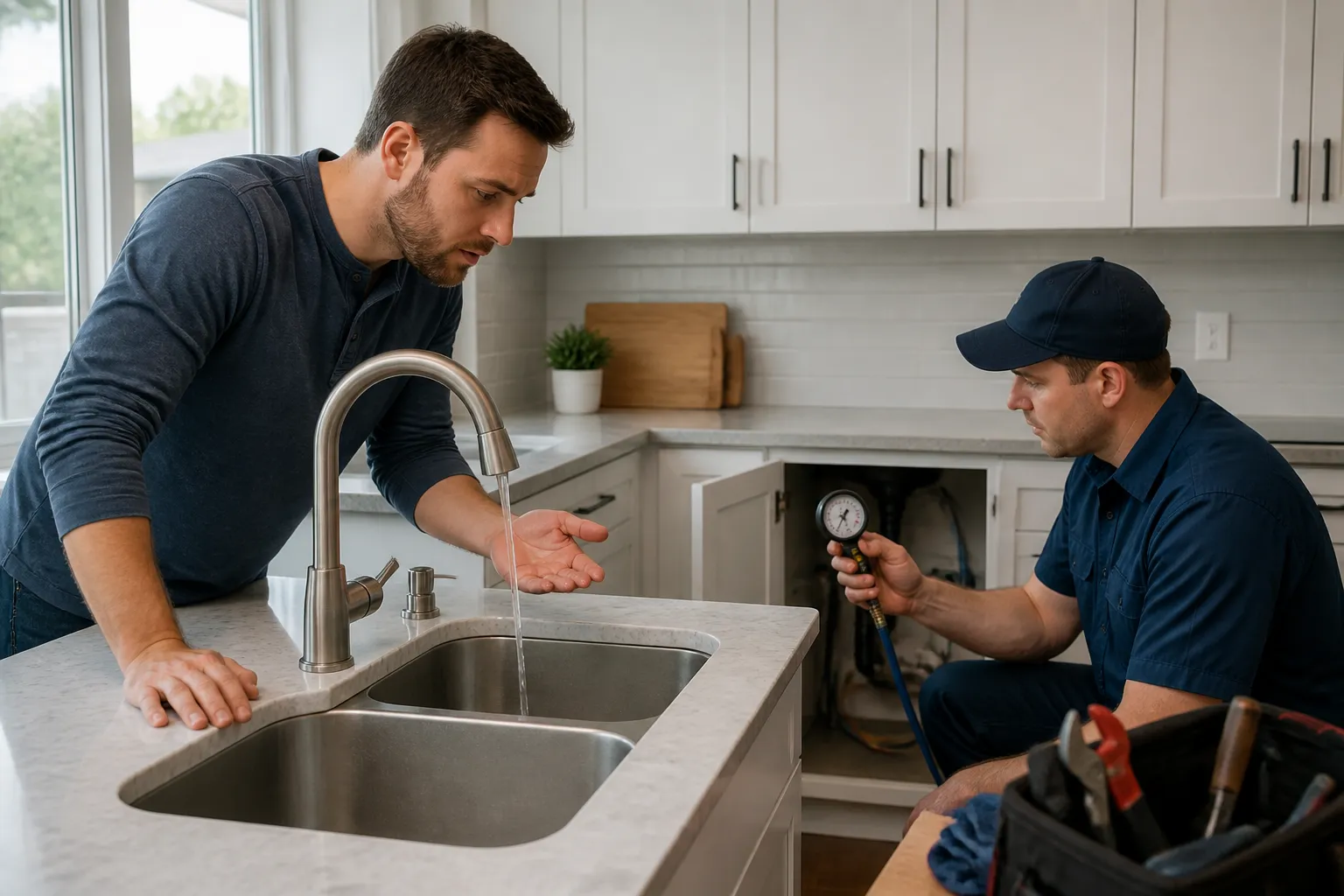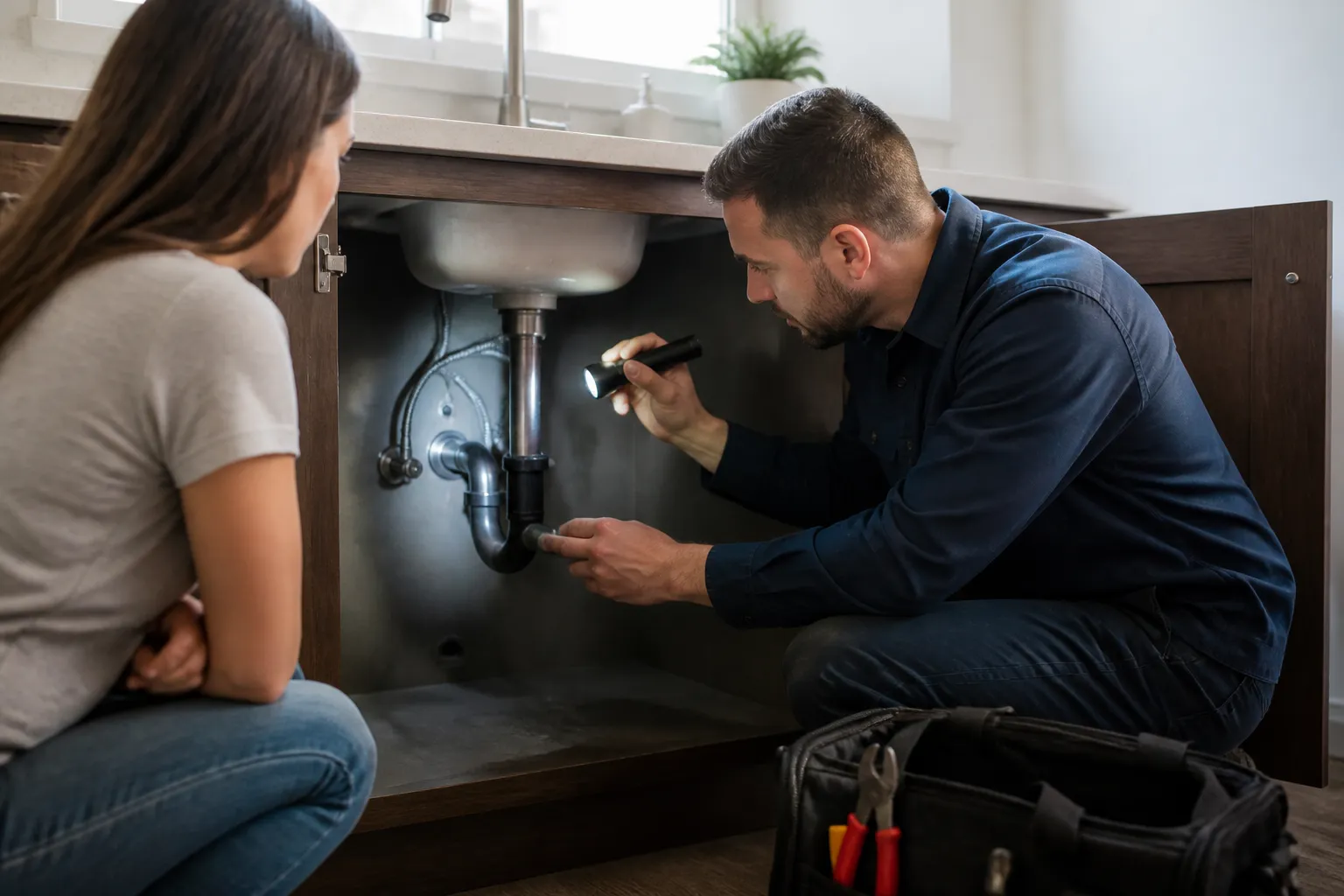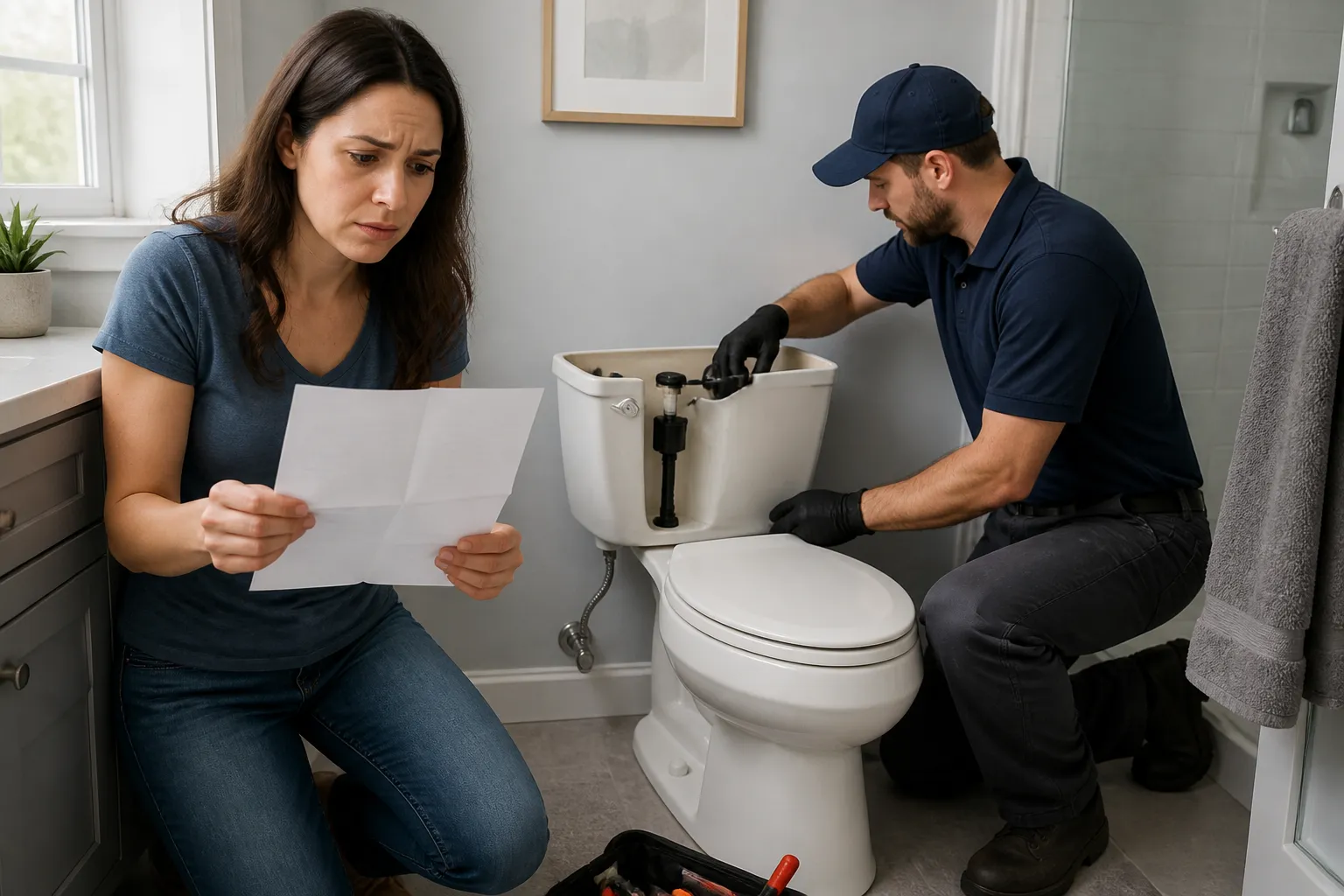
A water bill that jumps without warning is frustrating, but it does not automatically mean a pipe has burst. The first step is to compare the amount of water used, not just the dollar total. A rate change, longer billing period, extra guests, lawn watering, or a newly installed appliance can raise a bill. If water use itself has climbed, check these seven common plumbing problems.
1. A toilet that leaks silently
A worn flapper or fill valve can let water move from the tank into the bowl even when the toilet is not being flushed. Listen for a toilet that refills on its own or a faint running sound. To check for a silent leak, put a few drops of food coloring in the tank and wait about ten minutes without flushing. If color appears in the bowl, water is passing through. Flush afterward to avoid staining. A small toilet leak can continue around the clock, so address it rather than waiting for a visible puddle.
2. Dripping faucets or a leaking shower valve
A faucet that drips after the handle is off, a showerhead that continues to drip, or water coming from behind a handle can add up over time. A loose showerhead connection may be simple, but a leak from a valve inside the wall needs a different repair. Check whether the drip stops when a fixture shutoff is closed, if one is available. Do not force a corroded handle or remove a valve trim if you are unsure how the water is controlled.
3. A hidden leak under a sink, wall, or floor
Supply lines, drain connections, and pipe joints can leak where they are difficult to see. Look inside sink cabinets, around the base of tubs and toilets, near laundry equipment, and on ceilings below bathrooms. Warning signs include damp wood, swollen cabinet panels, bubbling paint, a musty smell, or flooring that feels soft. A hidden leak may not create a puddle until it has been present for a while. If you see these signs, stop using the nearby fixture and arrange an inspection.
4. A leaking water service line
The pipe that brings water from the meter toward the house can leak underground. You may notice a soggy area, unusually green strip of grass, or water bubbling up when it has not rained. First check the meter when no water is being used. The EPA recommends reading it, waiting for a two-hour period with household water use stopped, and checking it again. If it changes, a leak is likely. The division of responsibility between the homeowner and water provider varies, so ask the utility where its service responsibility ends before arranging excavation.
5. Outdoor faucets, hoses, or irrigation lines
A hose left connected to a leaking spigot, a damaged hose washer, a sprinkler head, or a buried irrigation line can use water without showing up indoors. Inspect hose connections and look over the yard while the irrigation system runs, if it is safe to do so. Check the bill against the season and watering schedule. A small leak underground may be harder to spot, so a moving meter with all indoor fixtures off is a useful clue.
6. A water-heater leak or discharge problem
Look around the water heater for moisture, rust, drips at connections, or water coming from a discharge pipe. A temperature-and-pressure relief valve is a safety device, so never cap or block its pipe. Continuous discharge needs a professional diagnosis. If the heater or nearby wiring is wet, keep clear and shut off water or power only if you can do so safely. A leak at a water heater can waste water and damage nearby materials.
7. A leaking appliance or water-treatment system
Check the supply connections and drain hoses behind the clothes washer and dishwasher, as well as the refrigerator’s water line and ice maker. A slow drip may collect out of sight behind an appliance. Water softeners and filtration equipment also use water during certain cycles. If a unit seems to be draining or regenerating continuously, consult its instructions or call a service professional instead of changing internal settings at random.
How to narrow down the cause
Review the utility bill for the billing dates, gallons or cubic feet used, and any rate or fee changes. Compare the usage with the same season last year if that information is available. Then make sure faucets, toilets, irrigation, and appliances are off before doing a meter check. A moving meter suggests water is still flowing somewhere, but it does not tell you where the leak is. If you find an active leak, close the nearest fixture valve or the main shutoff if you can do so safely. Keep away from standing water near electrical equipment.
EPA WaterSense offers additional instructions for checking toilets, faucets, and meters in its household leak guide and home maintenance checklist.
When to get help
Call a plumber if the meter changes while the home is not using water, a leak is behind a wall or under a floor, water is collecting near the heater, or you cannot identify the source. If the meter stays still but the bill is unexpectedly high, contact the water provider to ask about the reading and local rates. A careful check can separate a billing question from a plumbing repair.
Paladin Plumbing serves Inman and communities across Upstate South Carolina. If you have a suspected leak, running toilet, or unexplained water use, call 864-261-1292 to discuss what you have found and plan the next step.