Plumbing trouble rarely starts with a dramatic flood. More often, there is a slow drip, a drain that keeps backing up, or a water bill that suddenly changes. Spotting these clues early can help you limit water damage and understand when a repair needs professional attention.
Here are ten signs to watch for in your home, plus a few safe steps to take before you call.
10 signs you may need a plumber
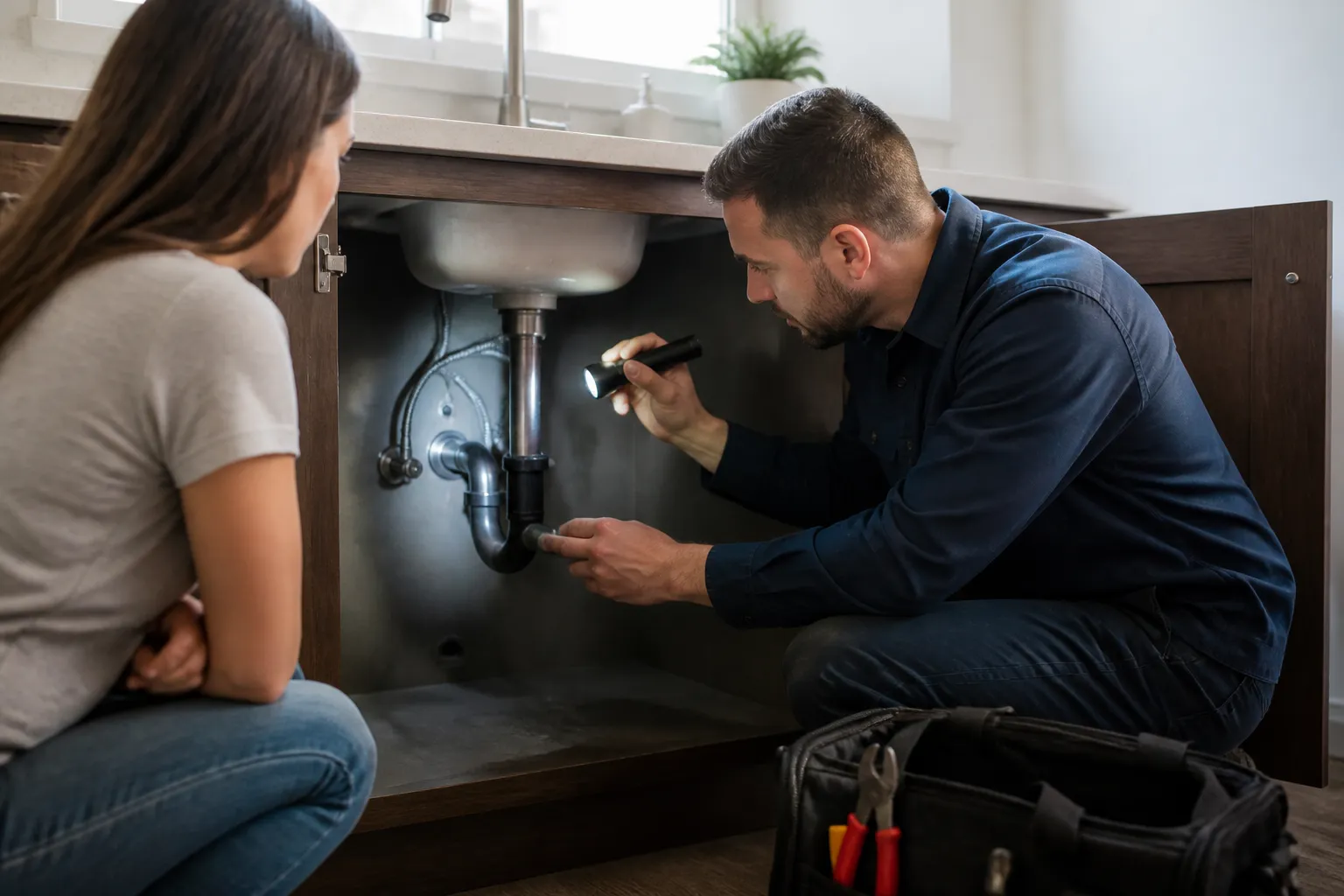
- A leak that keeps returning. A dripping faucet may be a worn washer or cartridge, while water under a sink can come from a supply connection, drain fitting, or fixture. If tightening a visible connection does not stop it, or the leak is behind a wall or cabinet, have it diagnosed instead of covering it with caulk. For an active leak, use the fixture shutoff if you can reach it safely.
- Water stains, bubbling paint, or a soft spot. A new ceiling stain below a bathroom, swollen cabinet base, or flooring that feels soft may indicate moisture that is not visible at the surface. A roof or window can also cause stains, so note whether the spot changes after using a nearby sink, tub, toilet, or appliance. Persistent dampness deserves a closer look before the material deteriorates.
- A musty smell that will not go away. A lingering earthy odor under a sink, near a water heater, or around a bathroom wall can be a clue that something stays damp. The smell alone does not identify the source, but it is worth investigating when paired with discoloration, bubbling finishes, or unexplained moisture.
- A slow drain that returns after clearing. Hair or soap can slow one sink or tub. If the same fixture clogs repeatedly, or several drains in different rooms slow down together, the issue may be farther along the drain line. Repeated use of chemical drain cleaners can damage some materials and will not correct a mechanical obstruction, so stop if the blockage keeps coming back.
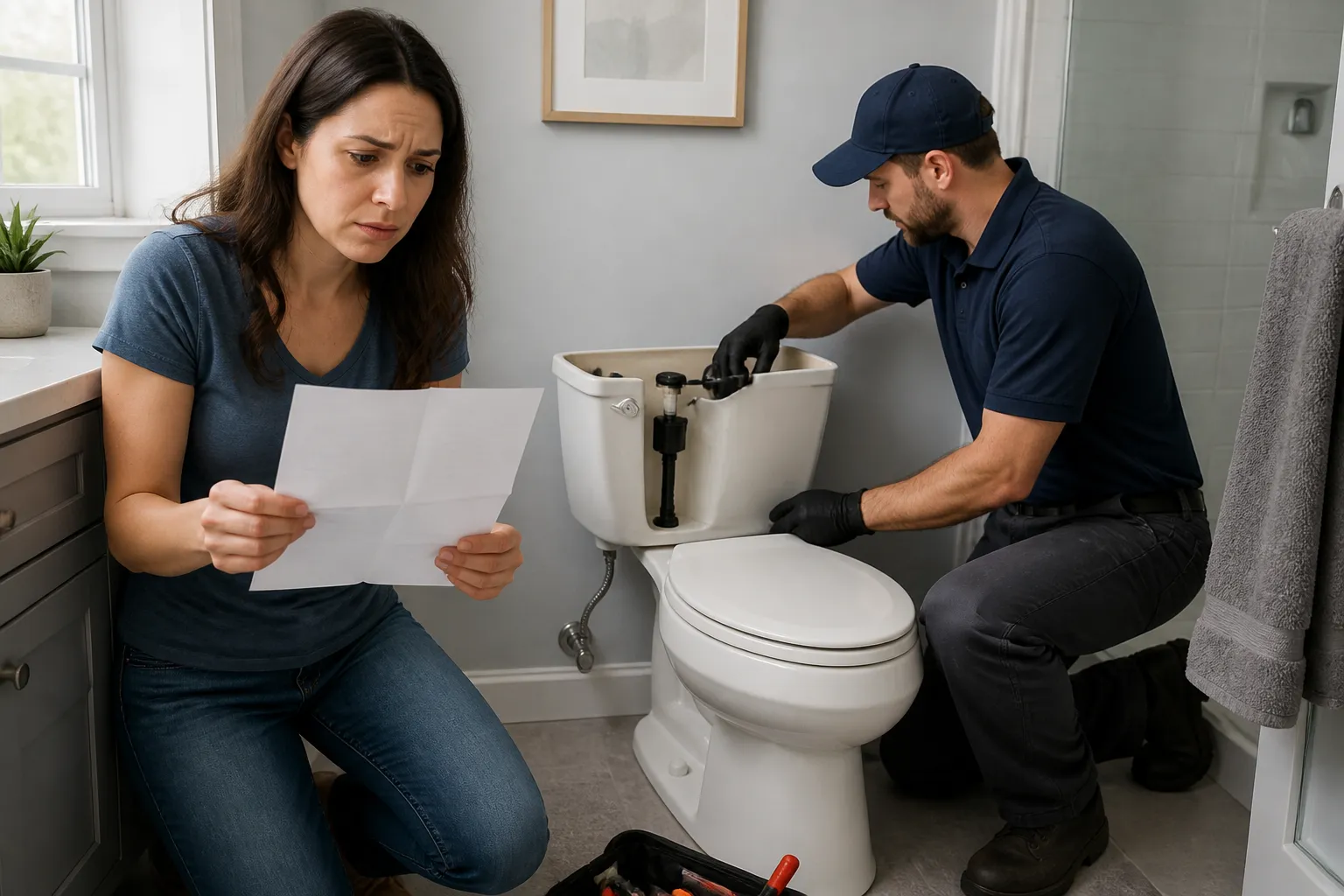
- A toilet that runs, refills by itself, or clogs often. A toilet that keeps running can waste water, even when the leak is silent. You can place a few drops of food coloring in the tank and wait about ten minutes. If color appears in the bowl before flushing, the tank is leaking into the bowl. Flush afterward so the dye does not stain. Frequent clogs, a loose base, or water around the toilet are reasons to get help.
- Gurgling drains, sewage odors, or a backup. Bubbling sounds after a toilet flush or water backing up in a tub when another fixture runs can point to a shared drain problem. A sewer-like odor or wastewater coming back into the home should not be ignored. Stop using affected fixtures and contact a plumber, especially if more than one drain is involved.
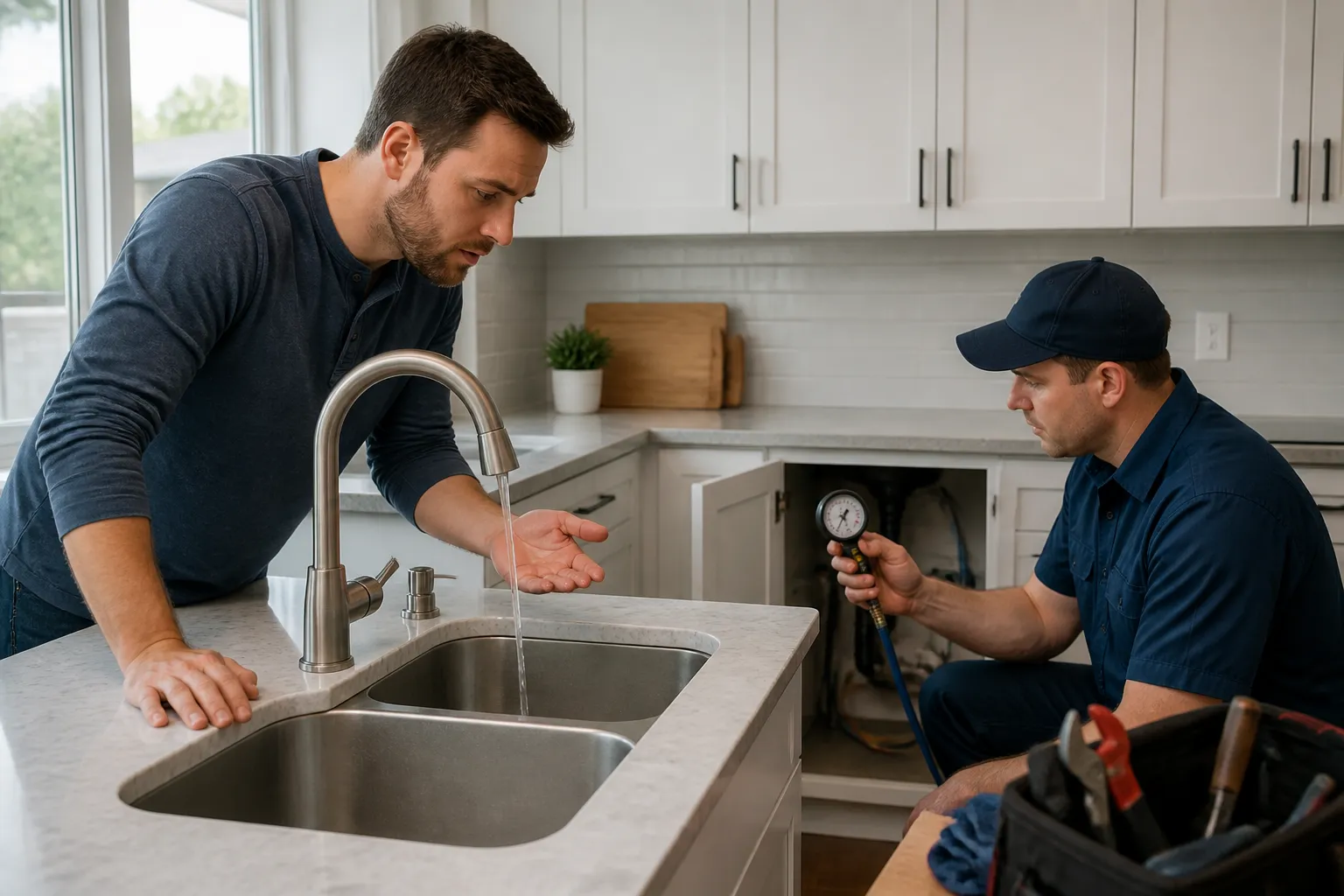
- A sudden change in water pressure. If one faucet has weak flow, a clogged aerator or fixture valve may be responsible. If several fixtures change at once, possible causes include a partly closed valve, a leak, a pressure-regulating valve issue, or a temporary water-service problem. Compare hot and cold water and check whether neighbors have noticed a disruption.
- Rust-colored or unusual water that persists. A brief change can sometimes follow work on a water main, but persistent discoloration, particles, or a metallic taste should be checked. Note whether it appears at every tap or only one fixture, and whether it is limited to hot or cold water. If you are unsure about water safety, contact your water provider for guidance.
- Water-heater leaks or a sudden change in hot water. Puddles around the heater, corrosion, a steady drip from a connection, or a sudden loss of hot water can point to a plumbing or equipment problem. Do not cap or block a discharge pipe. If water is escaping, keep clear of electrical components and contact a qualified plumbing professional.
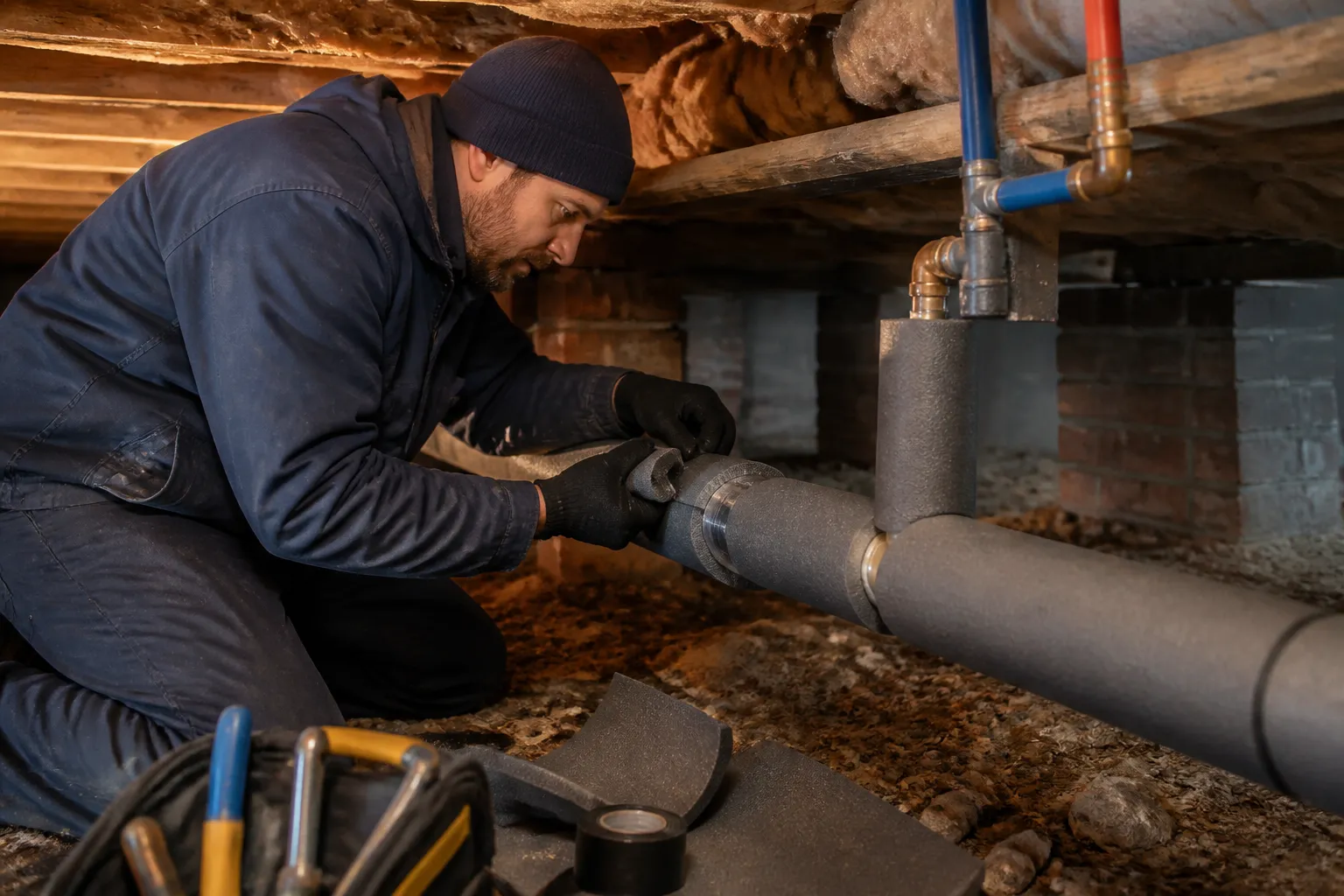
- A higher water bill or a wet patch outside. A bill that rises without a change in household use may come from a running toilet, hidden leak, hose connection, irrigation line, or underground service pipe. Look for unusually green or soggy ground, but do not dig to find a suspected line. The U.S. EPA recommends checking the water meter before and after a two-hour period when no water is being used; a changed reading can indicate a leak.
What to do before the plumber arrives
If water is actively escaping, shut off the fixture valve or the home’s main water valve if you know where it is and can operate it safely. Keep people away from standing water near outlets or electrical equipment. Take a few photos, note when the problem happens, and avoid using the affected fixture. For a recurring clog, stop adding chemicals and describe which drains are affected. These details can help narrow the diagnosis.
When should you treat it as urgent?
A burst pipe, rapidly spreading leak, sewage backup, or water near electrical equipment needs prompt attention. If you cannot stop an active leak safely, leave the affected area and contact the appropriate emergency or utility service. For less dramatic but persistent symptoms, arranging an inspection early may help prevent a small issue from becoming a larger repair.
For more leak-checking steps, see the EPA WaterSense guide to finding household leaks. Paladin Plumbing serves homeowners and businesses in Inman and across Upstate South Carolina. If you have a leak, drain, pressure, or fixture concern, call 864-261-1292 to discuss the symptoms and next steps.