A sudden South Carolina freeze can catch homeowners off guard, especially when plumbing runs through a crawlspace, garage, attic, or exterior wall. Water expands as it freezes, putting pressure on the pipe. A frozen line may split and start leaking as it thaws, so a little preparation before a cold snap can help reduce the risk of water damage.
Which pipes are most vulnerable?
Pay extra attention to exposed supply lines, outdoor hose faucets, irrigation connections, pipes in unheated spaces, and plumbing inside cabinets along outside walls. A pipe that has frozen before deserves attention before the next cold spell. If you are unsure where the main water shutoff is, locate it before freezing weather arrives and make sure household members know how to reach it. Do not force a stuck valve.
Before freezing weather arrives
- Disconnect and drain garden hoses. Remove hoses from outdoor faucets and store them. If your home has an indoor shutoff for an exterior hose bib, close it and open the outdoor faucet to drain remaining water, following the fixture or home’s instructions. Check the irrigation system’s winterizing directions as well.
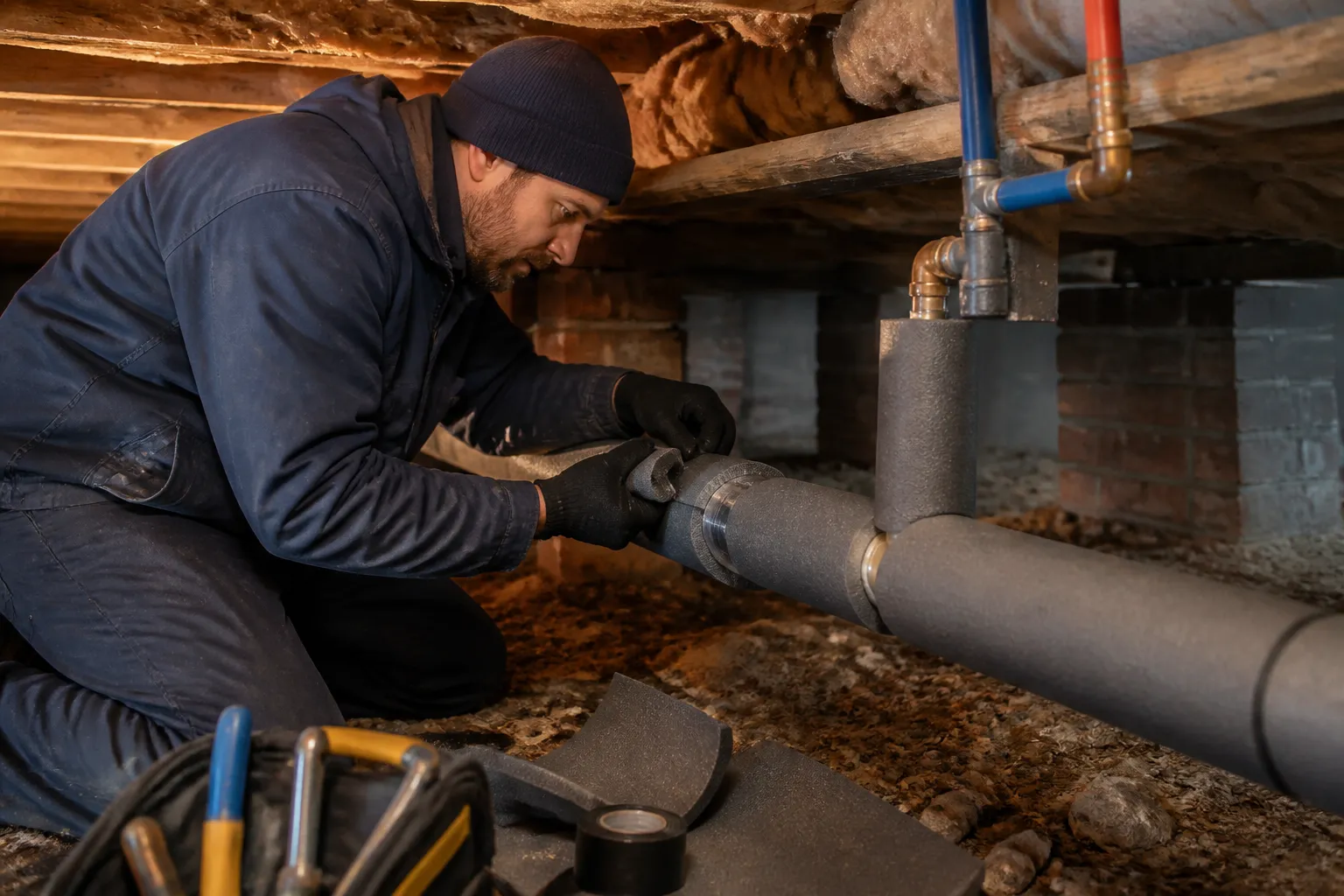
- Insulate exposed pipes. Add suitable pipe insulation to accessible lines in crawlspaces, garages, and other cold areas. Seal gaps where cold air enters around pipe openings, and close garage doors when water lines run through the garage. Do not cover a leak or a pipe that needs inspection with insulation.
- Keep the home’s heat steady. Avoid a large overnight thermostat setback during an extreme cold period. If you will be away, the American Red Cross recommends leaving the heat on and setting the thermostat no lower than 55°F. Ask someone you trust to check the home if you will be gone for several days.
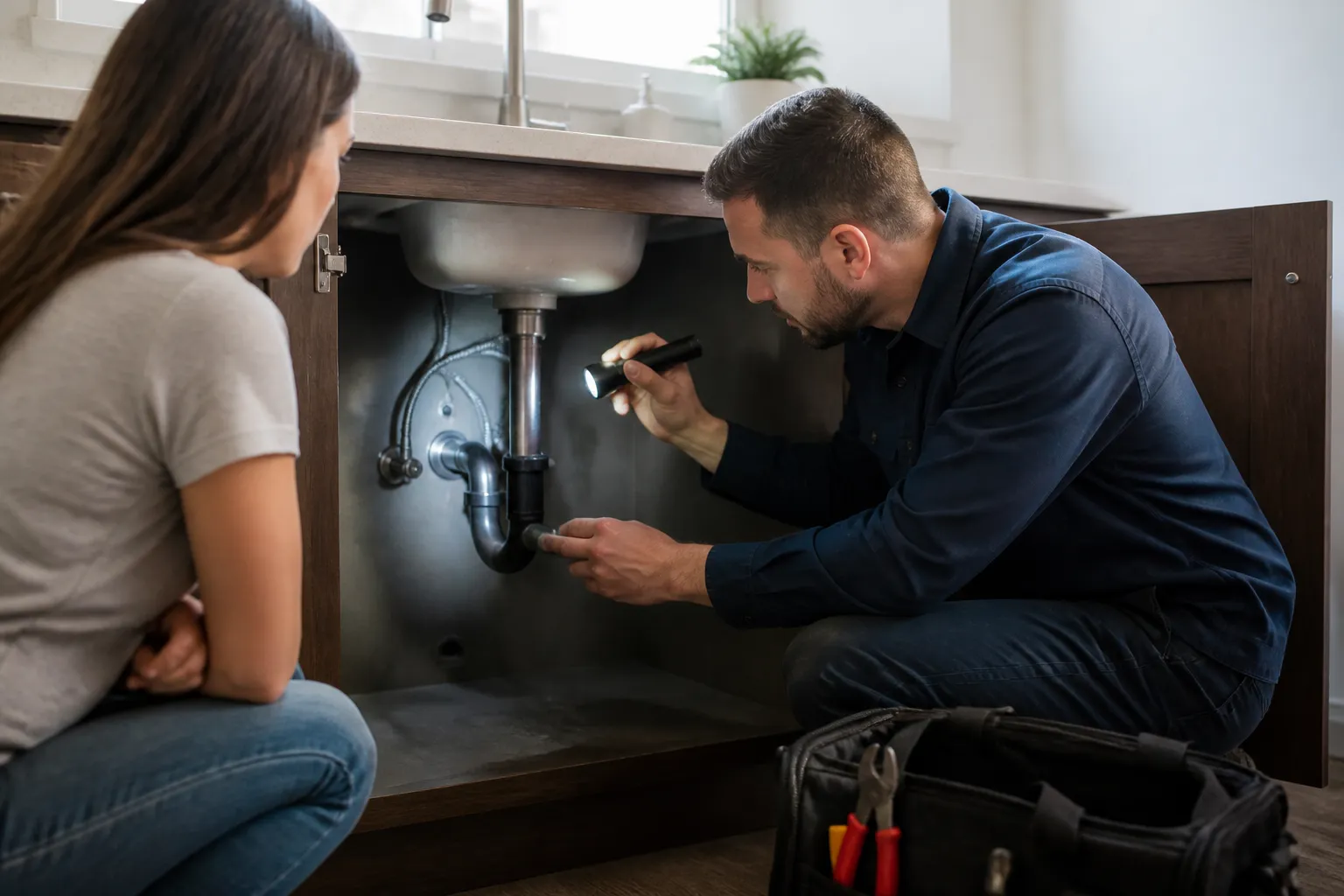
- Let warmer indoor air reach vulnerable plumbing. Open cabinet doors beneath kitchen and bathroom sinks if the pipes sit against an exterior wall. Keep harmful cleaning products out of reach of children and pets. Keep doors to cold garages closed when supply pipes are nearby.
- Consider a small flow during a hard freeze. South Carolina Emergency Management recommends letting faucets drip as a winter-preparation step. A small, steady flow from a faucet served by an exposed line can help keep water moving. Focus on vulnerable pipes and follow guidance from your water provider. Dripping a faucet is not a substitute for insulation or fixing a known draft.
- Protect irrigation and other outdoor equipment. Shut off and drain outdoor lines when directed by the system manufacturer or installer. Do not pour automotive antifreeze into plumbing or irrigation pipes unless the equipment instructions specifically call for a plumbing-safe product and method.
What to do if you suspect a pipe is frozen
A faucet that suddenly produces only a trickle, or stops flowing while other fixtures work, may be connected to a frozen line. Check accessible pipes for frost or bulging, but do not cut into a wall to search for the frozen section. Keep the affected faucet open. If the frozen pipe is exposed and you can reach it safely, warm it gradually with an electric hair dryer, a heating pad, or warm towels. Keep electrical devices away from standing water and follow their safety instructions. Never use a blowtorch, propane heater, charcoal stove, or other open flame to thaw a pipe.
Stop if the pipe is not accessible, the water does not return, or you notice a split or active leak. If one line freezes, check other faucets carefully because more than one pipe may be affected. A plumber can locate the problem and assess whether the pipe has been damaged.
If a pipe bursts
Shut off the home’s main water supply if you can reach the valve safely. Open a faucet to relieve pressure in the plumbing, and keep away from water near outlets, electrical equipment, or a breaker panel. If you cannot reach the shutoff without entering an unsafe area, stay clear and get professional help. Photograph the damage after it is safe to do so and contact your plumber and insurer as appropriate. Do not turn power back on to wet equipment until it has been checked.
South Carolina resources and local help
For local winter guidance, review the South Carolina Emergency Management Division’s winter-weather checklist and Clemson Extension’s South Carolina pipe-freezing guide. The American Red Cross guide to preventing and thawing frozen pipes also explains how to respond safely if a line freezes.
Paladin Plumbing serves homeowners in Inman and across Upstate South Carolina. If a pipe is frozen, leaking, or damaged after a cold snap, call 864-261-1292 to discuss the problem and next steps.