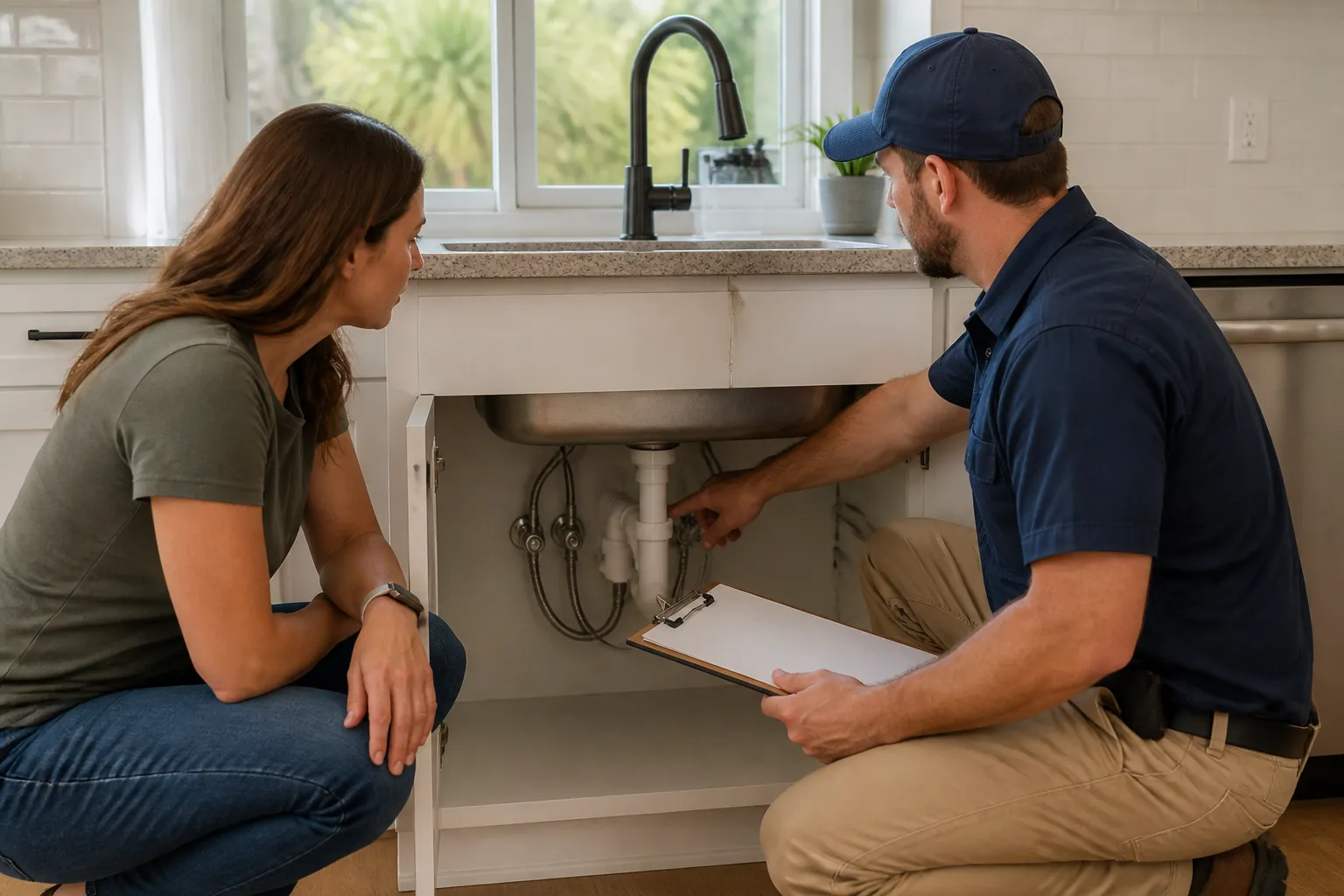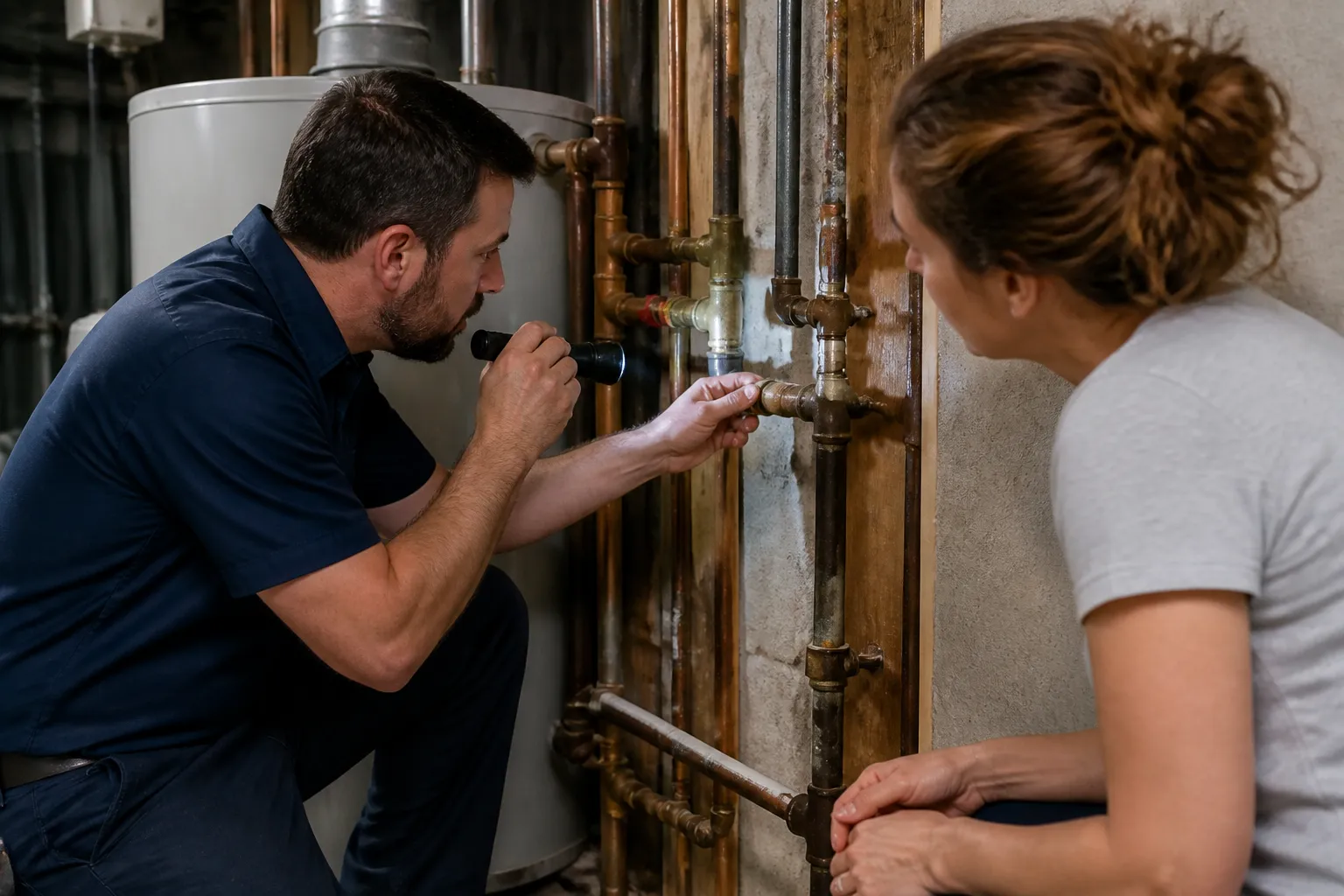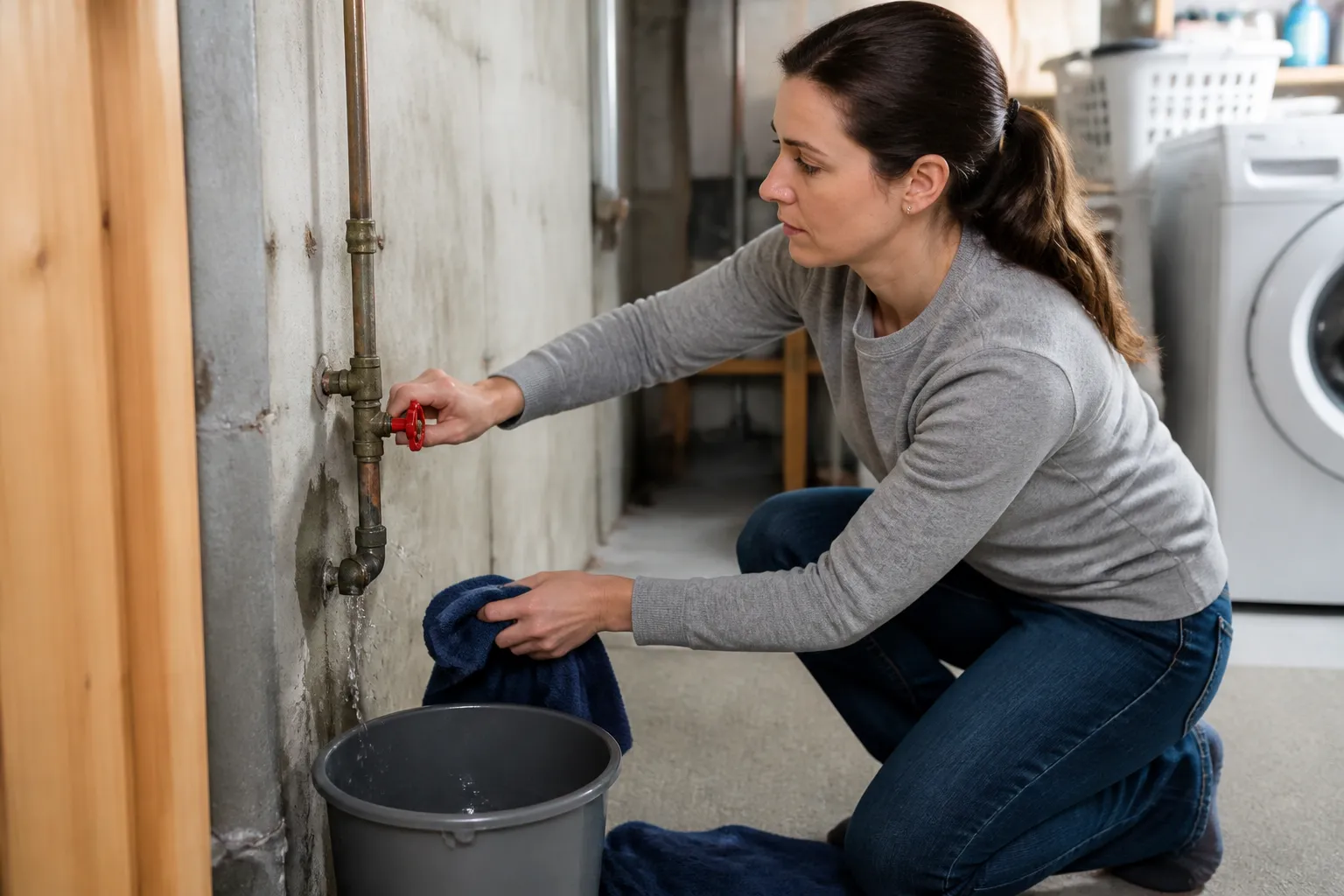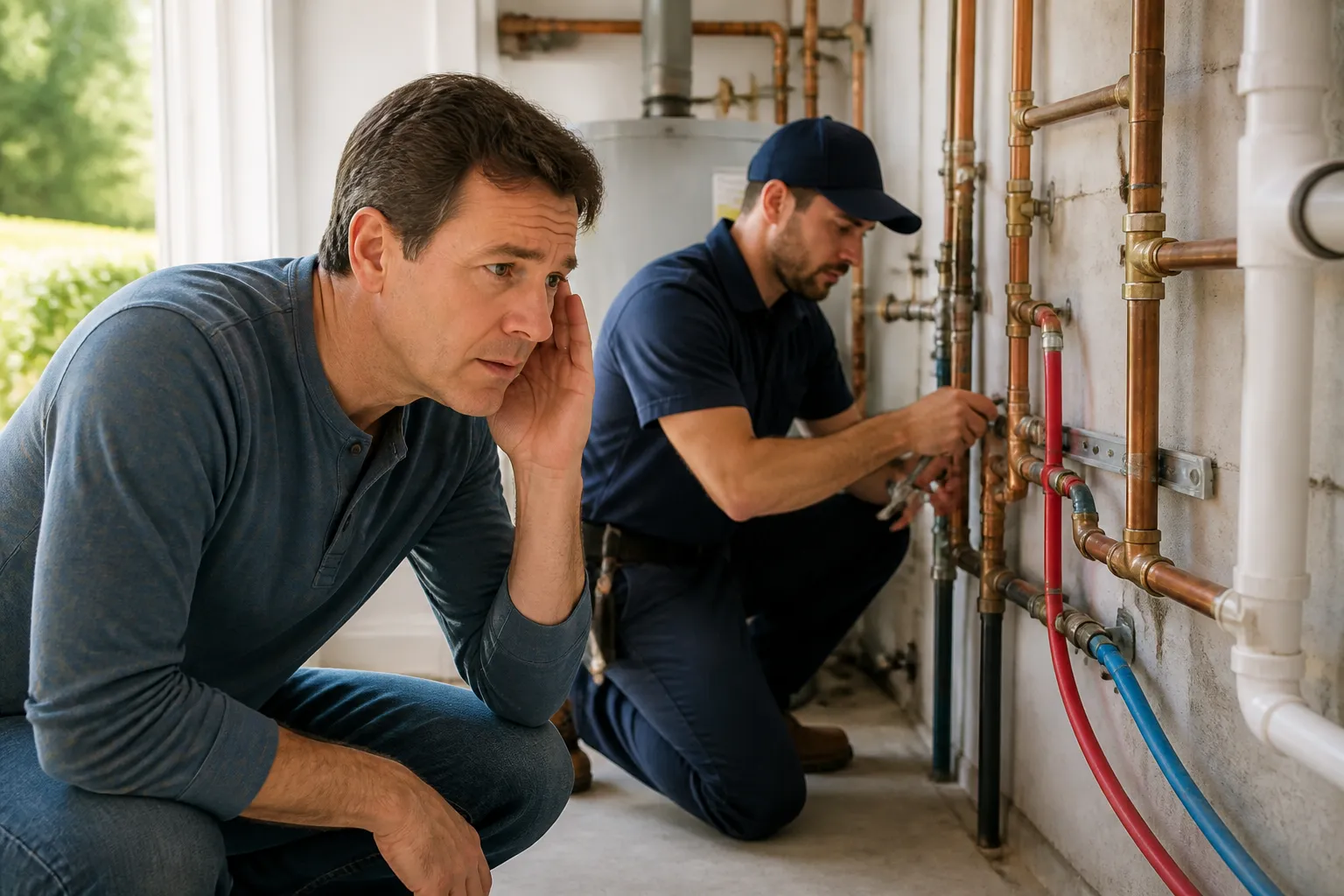
A sudden bang behind a wall, a high-pitched whistle from a faucet, or a gurgle in the drain can be unsettling. Plumbing noises are clues, not a diagnosis. They may come from water pressure, a loose pipe, a fixture component, or a restriction in a drain. When the sound occurs and which fixtures are involved can help narrow down the cause.
Here is a homeowner-friendly guide to common plumbing sounds, what you can safely observe, and when it makes sense to call a plumber. If a noise is paired with a leak, water damage, or a sudden loss of service, arrange an assessment instead of waiting for it to go away.
Banging or knocking when water stops
A bang that happens just after a faucet, dishwasher, washing machine, or other water-using fixture shuts off may be related to a sudden change in water flow. This is often called water hammer. The force can make pipes move against framing or supports, which may sound like a knock inside a wall or cabinet.
However, not every bang is water hammer. A loose pipe, a valve, or another nearby component may create a similar sound. Notice whether the noise happens when one specific fixture stops, when several fixtures are used, or when an appliance fills. If it repeats or is especially forceful, a plumber can assess the plumbing and explain whether a repair or adjustment is appropriate.
Whistling, squealing, or high-pitched sounds
A whistle that begins when water runs can sometimes be associated with a partly restricted opening, a worn fixture part, or a valve that is not operating smoothly. If it occurs at only one faucet, the cause may be close to that fixture. If several taps make the same sound, the plumber may need to consider a shared supply component or another condition affecting the home.
Listen for whether the sound changes as you open the tap, whether it happens with hot or cold water, and whether it comes from the faucet, wall, or nearby equipment. Avoid taking apart a faucet or adjusting a pressure-control device unless you know the manufacturer’s instructions and the work is within your skill level. A persistent whistle is worth checking, especially if water flow has also changed.
Gurgling from a sink, tub, or toilet
Gurgling can occur when air and water move through a drain or plumbing system. A single sink that gurgles while draining may have a localized restriction or another fixture-level issue. If multiple fixtures gurgle together, drain or vent conditions farther along the system may need attention.
Pay attention to whether water drains slowly, a nearby fixture bubbles, or wastewater backs up. One sound alone does not prove that a main sewer line is blocked. But repeated gurgling combined with slow drainage or backup at more than one fixture is a good reason to contact a plumber and describe the full pattern.
Rattling, vibrating, or buzzing pipes
A pipe can vibrate when water flows through it, particularly if a section is not well supported or if a valve or appliance is causing vibration. The sound may seem to come from a cabinet, wall, laundry area, or utility space. Note whether it starts when a toilet refills, a washing machine runs, or a faucet is opened.
If you can see the pipe without moving equipment or opening a wall, observe whether it visibly shifts. Do not wedge objects into a wall or force a pipe back into place. A plumber can check accessible supports, connections, and fixtures and determine whether the noise points to a plumbing issue or an appliance that needs separate service.
Hissing or rushing water when fixtures are off
A faint sound near a toilet tank, water heater, or shutoff may have a simple explanation, but continuous hissing or the sound of water moving when no water is being used deserves attention. A running toilet, leaking valve, or hidden water leak can waste water and may affect nearby materials. Check whether the toilet continues to refill or whether you notice dampness, staining, or a change in the water meter when the household is not using water.
Do not remove covers or reach into electrical equipment to find a sound. If you hear water behind a wall or ceiling and see moisture, contact a plumber promptly. If water is near electrical components, keep away from the area and do not touch wet equipment or switches.
Noise from a water heater
Water heaters can make operating sounds, but a new, loud, or recurring noise should be considered along with the unit’s age, performance, and visible condition. Do you hear it only when hot water is being used? Does the unit also leak, show an alert, or provide inconsistent hot water? Those details help a plumber decide what to inspect.
Do not open the heater or adjust gas, electrical, or internal components to investigate. Follow the owner’s manual for the specific appliance and arrange professional service if the sound continues or is paired with a leak or change in operation.
What to note before calling a plumber
A short description can make an assessment more useful. Write down:
- What the sound resembles: bang, whistle, gurgle, rattle, or hiss.
- When it happens, such as during filling, draining, or right after a valve closes.
- Which fixture or appliance is being used at the time.
- Whether the sound is new, getting louder, or happening more often.
- Any related leak, slow drain, pressure change, or water damage.
If it is safe, a brief recording can help you describe an intermittent noise. Do not stay in an unsafe area or operate equipment just to capture it.
When to call Paladin Plumbing
Call a plumber if the noise persists, becomes louder, affects several fixtures, or appears with leaks, backups, or a change in water flow. A prompt assessment may help identify whether the issue is at a fixture, supply pipe, drain, valve, or appliance connection. The right fix depends on what is actually causing the sound.
Paladin Plumbing serves Inman and nearby Upstate South Carolina communities. Call (864) 261-1292 to explain when the noise occurs and what else you have noticed. Clear diagnosis can turn an unsettling sound into a practical next step.