There is no single age at which every home needs new plumbing pipes. A pipe’s material, installation, water conditions, maintenance history, and visible condition all matter. Some homes have original lines that continue to function, while others experience repeated leaks or corrosion that makes a broader replacement assessment worthwhile.
Instead of deciding from a calendar alone, look for patterns: recurring leaks, widespread deterioration, persistent changes in water flow, or concerns about what the pipes are made of. A plumber can identify accessible materials, assess the symptoms, and explain whether a focused repair or larger project may be appropriate.
Signs your home’s pipes may need closer review
One symptom does not automatically mean the entire plumbing system needs replacement. These signs are useful reasons to arrange an inspection and discuss the home’s repair history.
- Repeated leaks: Leaks in different areas, or repeated failures along the same run, may indicate a broader condition rather than one isolated fitting.
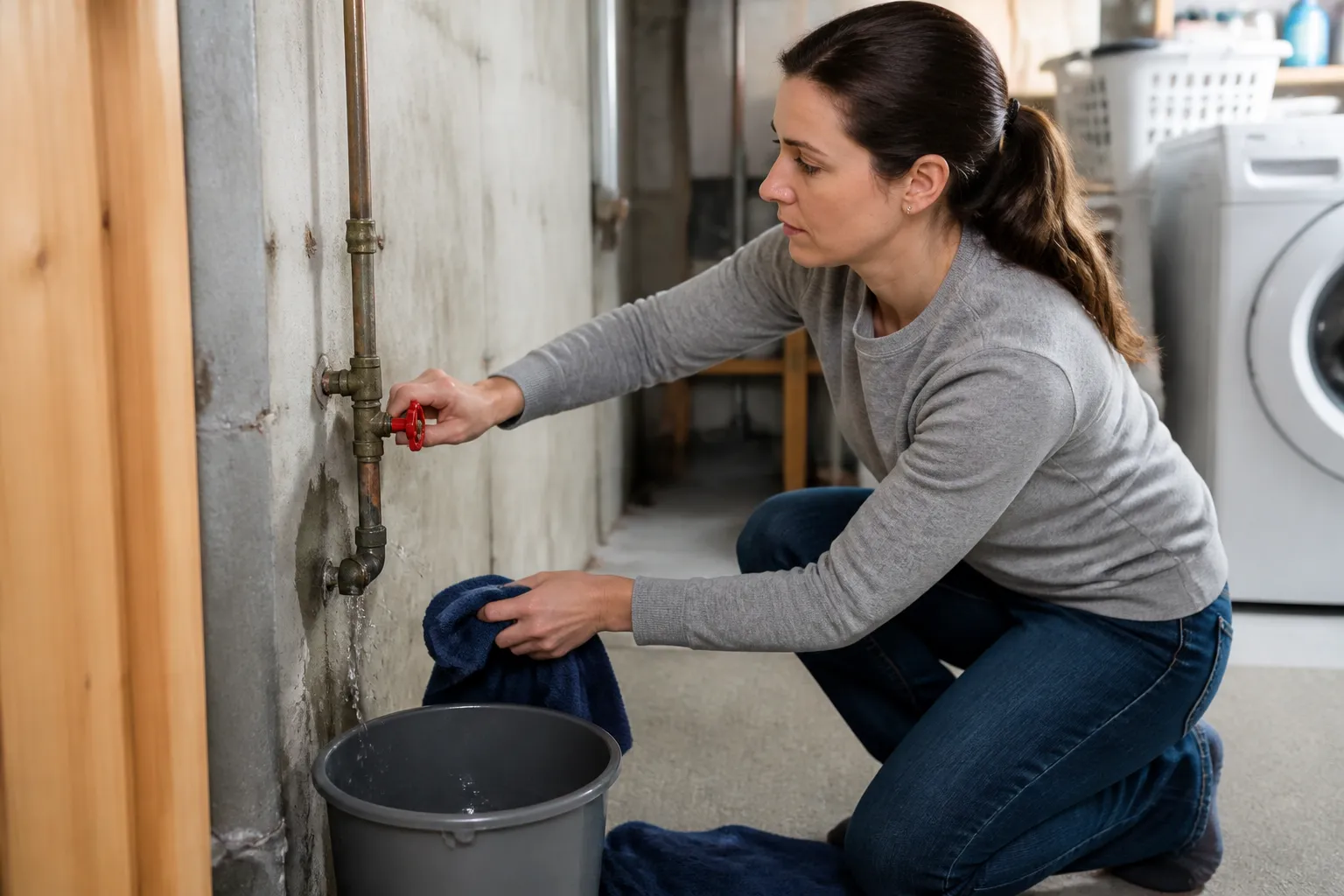
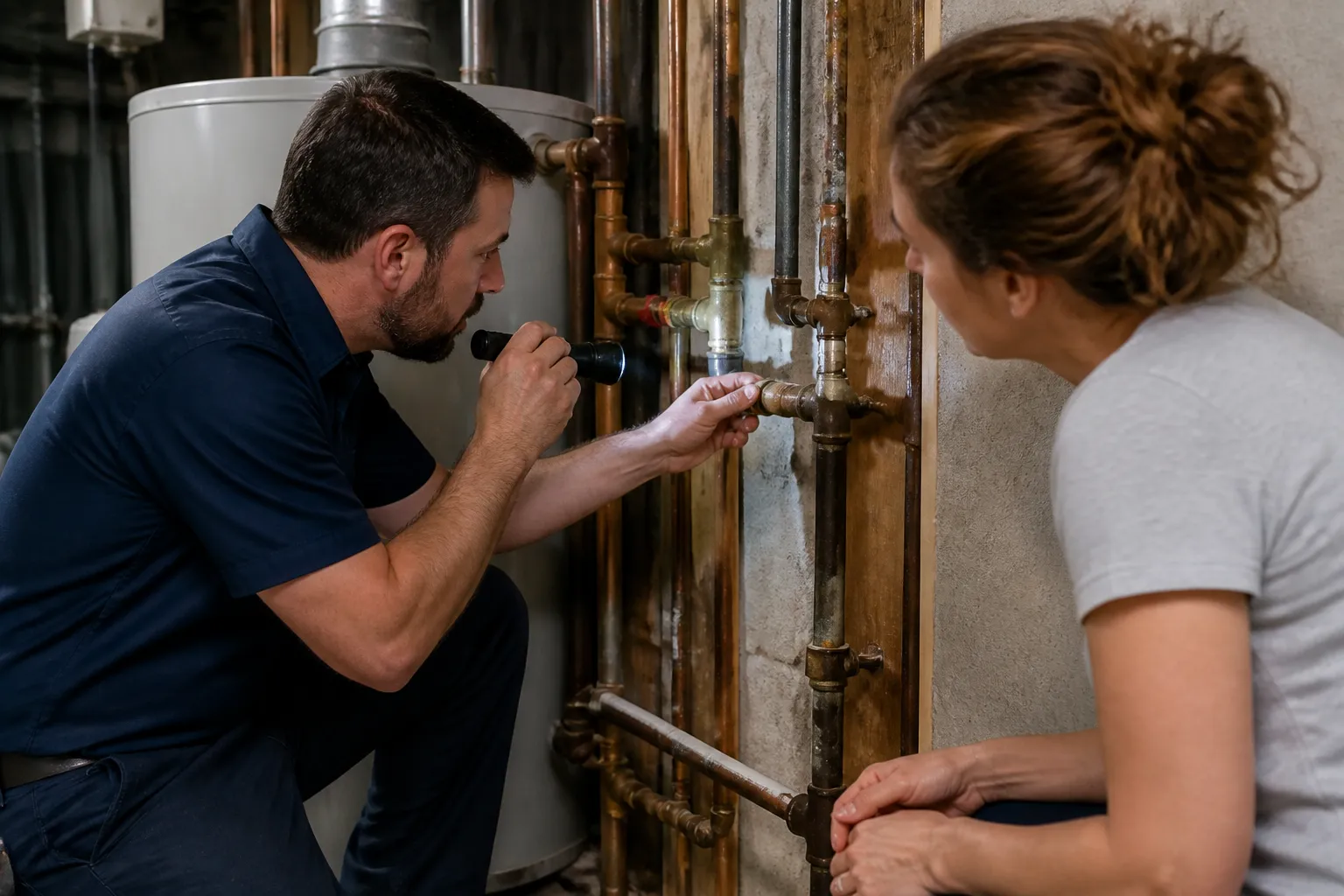
- Visible corrosion or damage: Flaking, pitting, green or white deposits, swelling, or other changes on accessible pipes should be assessed. Do not assume the visible section represents every pipe in the home.
- Water discoloration: Rust-colored or cloudy water can have multiple causes, including work on the water supply, a water heater, or interior piping. Note whether it affects hot water, cold water, one fixture, or several.
- Changes in flow: A gradual loss of flow at multiple fixtures may deserve a plumbing assessment. A single slow faucet can also be caused by a fixture screen or local valve.
- Past repairs that keep returning: Keep a record of where leaks occurred and what was repaired. A repeating pattern can help a plumber decide whether more of the line should be evaluated.
- Uncertainty about pipe material: Older homes can contain materials that are no longer commonly installed. Identification and next steps should come from a qualified professional, especially if lead-containing plumbing is a concern.
Why pipe age alone is not enough
Material age can be part of the conversation, but it is not a complete replacement rule. Pipes in the same home may have been installed or repaired at different times. Conditions also vary with installation quality, water chemistry, temperature, pressure, and past maintenance. Two homes of similar age can have very different plumbing conditions.
Be cautious with a universal “replace by this year” recommendation that does not account for the actual system. Ask a plumber to identify which pipe sections were inspected, what evidence supports the recommendation, and whether the work is for a specific damaged area or a broader replacement plan.
Consider the whole pattern, not one faucet
When only one fixture has a problem, the cause may be limited to its faucet, supply stop, or nearby pipe. If several fixtures across different rooms show related symptoms, the affected area may be farther upstream. Neither pattern proves a whole-home pipe issue, but it helps determine where an assessment should begin.
Also consider whether symptoms happen only with hot water, only after heavy use, or after a recent plumbing or utility change. Record when the problem occurs. Those details can help distinguish a water heater or fixture issue from a concern in the home’s supply piping.
Repair one section or replace more of the system?
A targeted repair may be reasonable when a leak is isolated, the surrounding pipe is in suitable condition, and the affected section can be accessed. A larger replacement may be worth discussing when leaks recur in different locations, the pipe shows broader deterioration, or the home has a documented history of repeated failures.
Replacement has planning considerations too. The pipe route, wall and floor access, finishes, fixture connections, and the home’s daily water needs affect the project. Ask what areas are included, what will remain untouched, and whether restoration of drywall, flooring, cabinets, or other finishes is part of the plumbing scope or handled separately.
What if the home may have lead plumbing?
If you are unsure whether a service line, solder, or plumbing component contains lead, do not rely on appearance alone. Ask the water provider or a qualified plumbing professional how to identify the material and what steps are appropriate. A pipe replacement conversation should separate identification, testing, and repair scope. Do not assume that replacing one visible section addresses every possible source of lead in a property’s water.
Keep any records from previous renovations or inspections. If the issue is a specific water-quality concern, appropriate testing and advice from the water provider or a qualified professional can help guide decisions about treatment or replacement.
Questions to ask before approving pipe replacement
- Which sections were inspected, and what condition was observed?
- What evidence suggests repair will not address the problem?
- Can the work be limited to a specific run, or is a broader replacement being proposed?
- What walls, floors, cabinets, or outdoor surfaces may need access?
- Which plumbing tasks are included, and what restoration may be separate?
- Will the work affect service to other fixtures, and how will the project be scheduled?
A clear explanation and written estimate help you compare options. If the project is large, you can ask what findings would change the recommendation and whether a second assessment is appropriate.
How to prepare for a plumbing pipe inspection
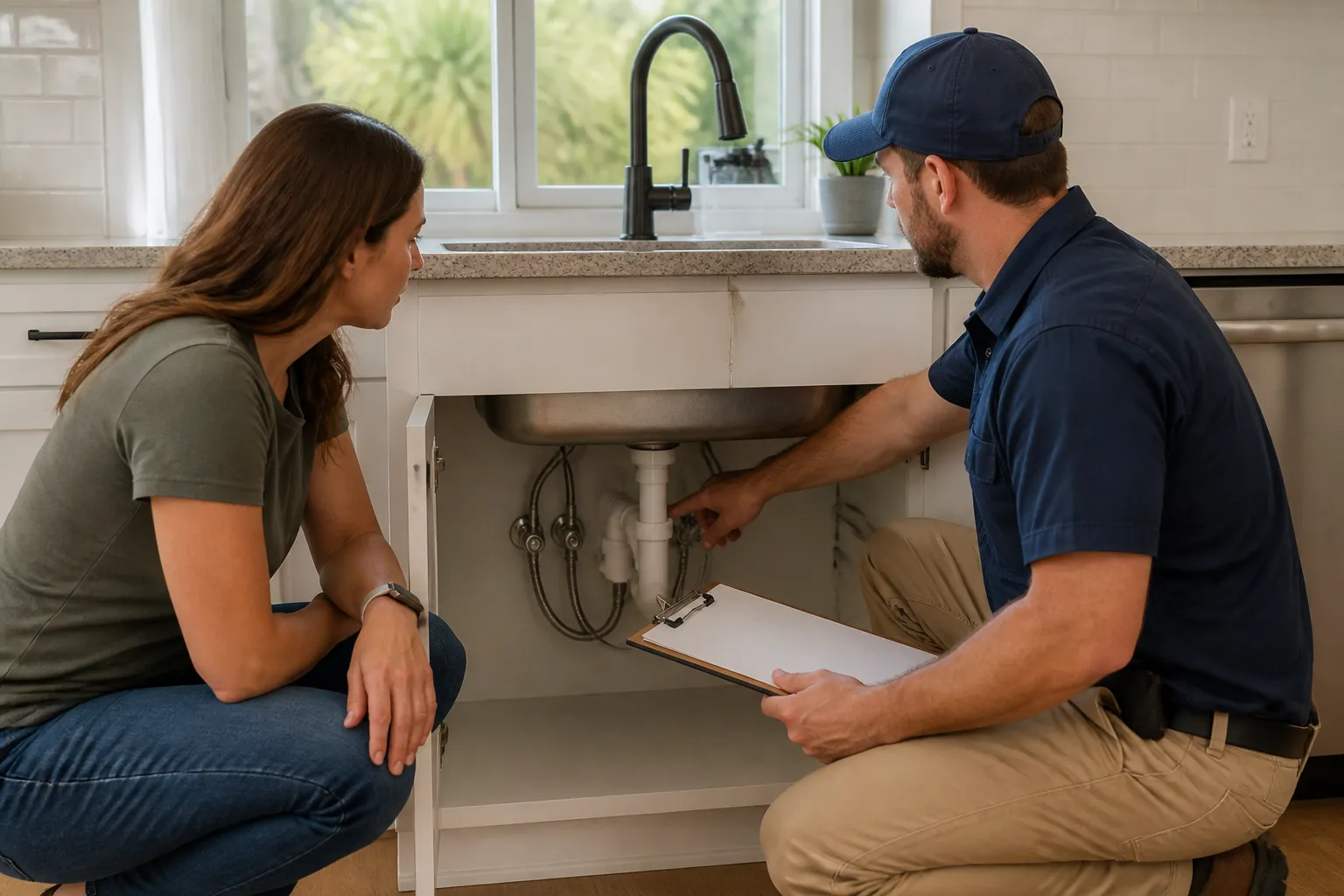
Make a short list of past leaks, repairs, discoloration, and flow changes. Note which fixtures are affected and whether hot or cold water makes a difference. Clear access to visible pipes, shutoffs, the water heater, and any known utility area when practical. Photos of prior leak areas can help explain the history, but do not remove walls or disturb pipes before the visit.
Pipe replacement assessments in Inman and nearby communities
Paladin Plumbing serves homeowners in Inman and nearby Upstate South Carolina communities. We assess accessible plumbing, review the symptom and repair history, and explain what the findings support before discussing repair or replacement options.
Call (864) 261-1292 to describe the pipe concerns at your home. Sharing where leaks occurred, which fixtures are affected, and any known pipe material can help start a focused conversation. The right recommendation depends on the actual piping and conditions at the property, not age alone.