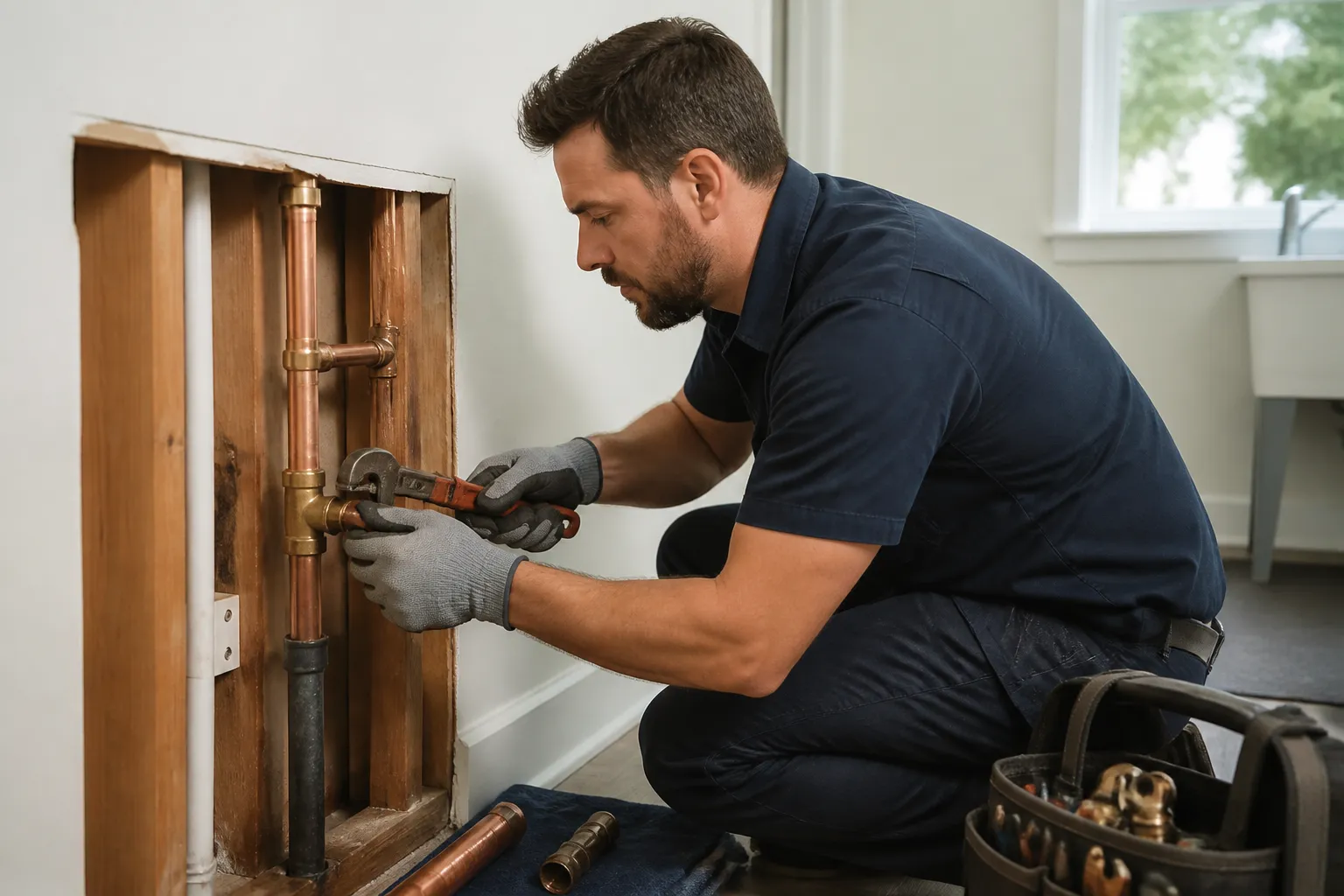
A water line that leaks behind a wall, beneath a floor, or along an accessible section of pipe can leave stains, damp areas, or an unreliable supply. Repeated repairs, visible corrosion, or a line that no longer suits the home may also lead you to consider replacement. The right scope depends on where the problem is and what condition the surrounding plumbing is in.
Paladin Plumbing provides water line replacement in Inman and nearby Upstate South Carolina communities. We assess the affected piping, explain whether a focused repair or replacement may be appropriate, and review access and connection considerations before work begins. Water service responsibility can vary by property and provider, so we help identify what portion of the plumbing should be evaluated.
When water line replacement may be needed
A single leak does not always mean an entire line needs replacement. But recurring leaks or broader wear can make a replacement assessment worthwhile. Signs to mention when scheduling include:
- Repeated leaks along the same water line or several nearby sections
- Visible corrosion, cracking, or deterioration on accessible piping
- Water stains, damp flooring, or moisture near a line route
- Changes in supply that continue after a fixture or valve has been checked
- Older piping that has needed multiple repairs over time
These symptoms can have more than one cause. A fixture connection, shutoff, or separate plumbing issue may produce similar signs. An assessment helps narrow down the source and determine whether the work should address one damaged area, a longer run, or another part of the water system.
Identifying the right replacement scope
Water lines serve different functions in a home. Some supply a single fixture or appliance, while others carry water through several rooms or connect the home to its service point. Knowing which line is involved helps avoid replacing pipe that is still in suitable condition.
Repairing a focused section
If the problem is limited to a clearly identified, accessible section and the surrounding pipe is in good condition, a targeted repair may be an option. We explain what section appears affected and whether the adjacent connections can support that approach.
Replacing a longer run
When wear or recurring leaks extend beyond one visible point, replacing a longer section may be worth considering. The route, material, access, and condition of connected plumbing all help define the work. The recommendation should match what can be observed, not assume that every pipe in the home needs replacement.
Considering the service connection
If the concern appears to involve the main water line between the home and its supply point, responsibilities and access can vary by property and water provider. We can assess the plumbing that is accessible and explain when a utility or another party may need to be contacted about their portion.
How we assess a water line
We begin with the symptoms and any previous repair history. The technician checks accessible piping and connections, considers where moisture or supply changes appear, and looks for clues that help define the affected section. Depending on the location, some piping may be concealed behind finishes or below ground, which can limit what is visible during an initial assessment.
We explain what has been confirmed and what remains uncertain. If additional access or testing is needed to locate the line or determine the full extent of a problem, we discuss that before expanding the work. This helps you understand why a repair or replacement is being considered and what the proposed scope is intended to address.
What water line replacement can involve
Replacement work depends on the pipe route, the material, and how the affected section can be reached. Some work may be completed at exposed piping in a utility area or cabinet. Other locations may require access through a wall, floor, ceiling, or outdoor area. We review these conditions with you and explain the work area before proceeding.
After the affected pipe is reached, the damaged section is removed and a compatible replacement is connected to the existing system. Connections are checked as the water supply is restored, and the technician reviews the work with you. If conditions differ from what was visible at first, we explain the new information and discuss any change in scope before doing additional work.
Access, materials, and property considerations
Water line material, pipe size, pressure conditions, and the equipment being served can influence which replacement components are suitable. The existing layout and the way a line connects to other plumbing also matter. Paladin Plumbing reviews these details when planning a replacement rather than choosing a material without considering the system.
Before the visit, note where the leak or moisture appears, whether the issue changes when water is being used, and what repairs have already been attempted. Clear access to the affected area when possible. If the suspected line is underground or concealed, share any property plans or prior plumbing information you have. Excavation planning may require locating other utilities and confirming the work area before digging.
Planning a water line replacement
Replacing a water line can involve more than the visible leak. The route may pass near other plumbing, electrical equipment, finishes, or outdoor features. A clear review of the affected section and access plan helps set expectations about what is included and what could require further evaluation.
If water damage is present, it may need separate attention from the plumbing repair. The plumbing assessment focuses on the line and its connections. We explain the water-supply work we can address and identify related concerns that fall outside the planned pipe replacement.
Water line replacement in Inman and nearby areas
Paladin Plumbing serves Inman and communities across Upstate South Carolina. We help homeowners understand whether a leaking or deteriorated water line may be repaired or replaced, and we explain the access and connection details that affect the plan.
When you contact us, share which fixtures or areas are affected, any visible moisture, and whether the problem has happened before. If you know where the main shutoff or affected pipe is located, that information can also help us prepare for the assessment.
Water line replacement FAQ
Does one water line leak mean the whole line needs replacement?
No. A leak may be limited to one fitting or a short section. The pipe condition, leak location, and history of prior repairs help determine whether a focused repair or a longer replacement should be considered.
Can you replace only the damaged section?
Sometimes. A targeted replacement may be suitable when the affected section is identifiable and the adjoining pipe is in a condition that allows a reliable connection. The layout and access affect the scope.
Is a main water line the same as an indoor fixture line?
No. A main service line supplies water to the building, while smaller lines distribute water to fixtures or appliances. The exact route and responsibility can vary, so the affected portion should be identified first.
Will replacing a water line require opening a wall or floor?
It depends on where the pipe is located and whether it is already accessible. Concealed piping may require an access opening. We explain the anticipated work area after assessing the route.
What should I do before a water line assessment?
Note where you see moisture, which fixtures are affected, when the problem occurs, and any previous repair work. Clear access to the area if possible and share property plans if you have them.
Can water line replacement address low water pressure?
It may help if an assessed water line condition is contributing to low pressure, but pressure changes can have other causes. The plumbing system should be checked before replacement is recommended.